
HME
Brand Evolution & Multi-Channel Execution
Project Overview
This case study involved a comprehensive ground-up rebrand for HME. As the lead creative, I was tasked with modernizing the visual identity and scaling it across every touchpoint of the business. The goal was to transition the brand from being dated and flat to an elevated, market-leading presence that resonates with both digital users and physical event attendees.
Tools



Team
Senior Marketing Manager
Kaitlin Miller
Role
Lead Graphic Designer
Duration
Feb 2025 - present
Demand Gen Manager
Michelle Scheidler
Marketing Coordinator
Paige Hammerschmidt
Senior Marketing Copywriter
Eliza Ortega


The Problem
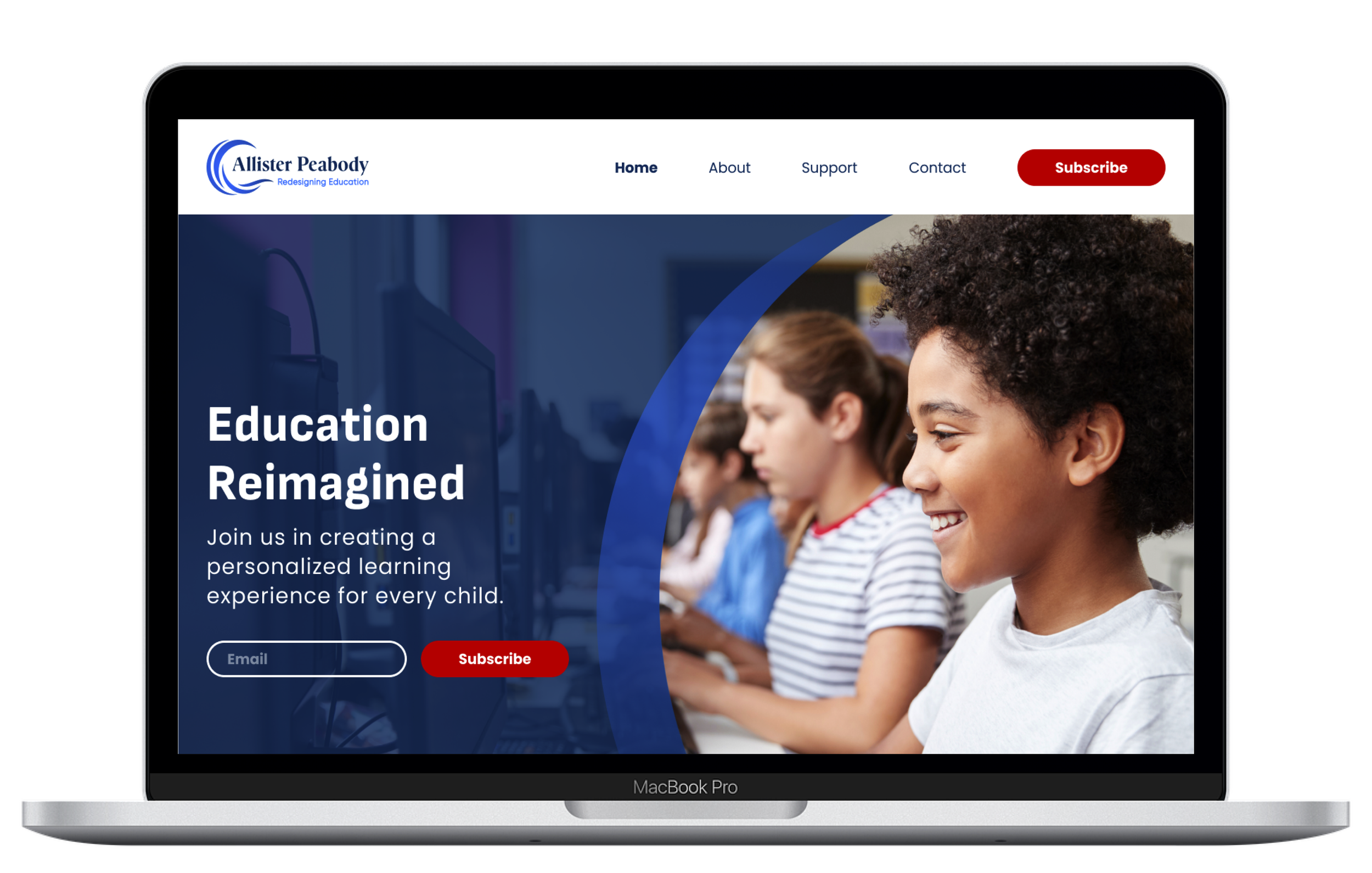
Before this initiative, the brand suffered from "design debt"—years of accumulated assets that didn't share a common language. Our digital presence felt dated compared to competitors, and our tradeshow booths contained a lot of visual clutter that failed to command attention in crowded exhibit halls. The lack of a centralized design system meant that every new marketing piece was being built from scratch, leading to a diluted brand image that confused potential clients and weakened our professional credibility.
HME lacked a brand book which led to a fragmented existing brand identity that lacked consistency and modernity.
Before

My Role
Sole Creative Lead and Production Designer, overseeing the project from conceptual strategy to final delivery.
In this high-autonomy role, I wore many hats: brand strategist, UI designer, video editor, and print production manager. I was responsible for defining the creative direction and then executing every single deliverable. I managed the entire pipeline, including presenting concepts to stakeholders, technical web handoffs, and working directly with external vendors to ensure that complex print and environmental projects were produced with 100% color accuracy and quality.
After
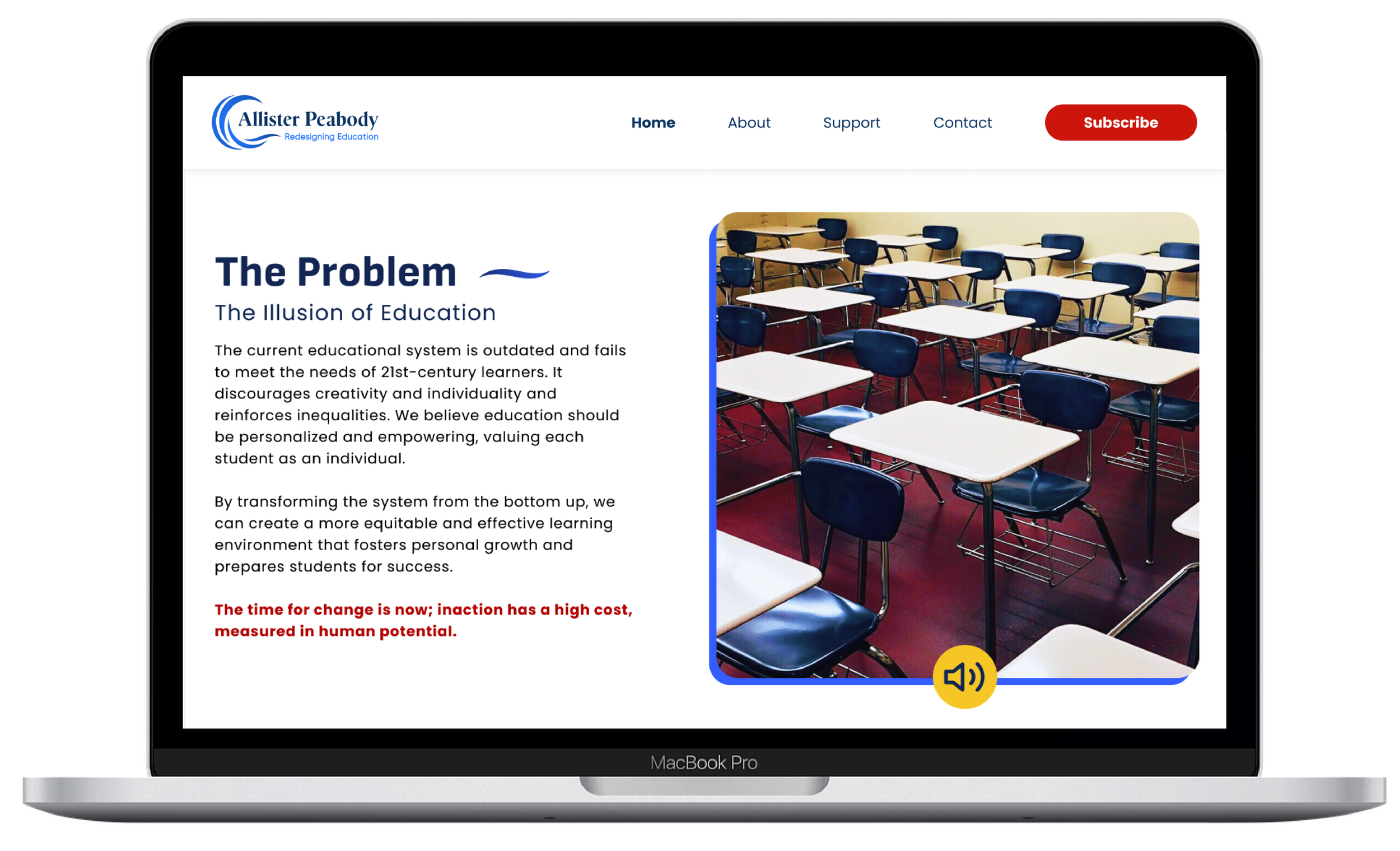

A rigorous four-phase workflow:
Audit, Discovery, Design, and Implementation.
Process
The process began with a deep-dive audit of all existing materials to identify what was working and what needed to be updated. I then moved into the discovery phase, competitor research, creating mood boards and a new color palette to establish a new visual presence. Once the direction was approved by stakeholders, I moved into a high-intensity design phase, creating an end to end brand book, building out the website UI, print assets, digital assets, and trade show both mockups simultaneously to ensure cross-platform harmony. The final stage involved execution to ensure all future assets remained consistent with the new brand vision.
The Solution
The brand website elevated our professional standing and increased engagement across the board from social media, to website traffic, to tradeshows.
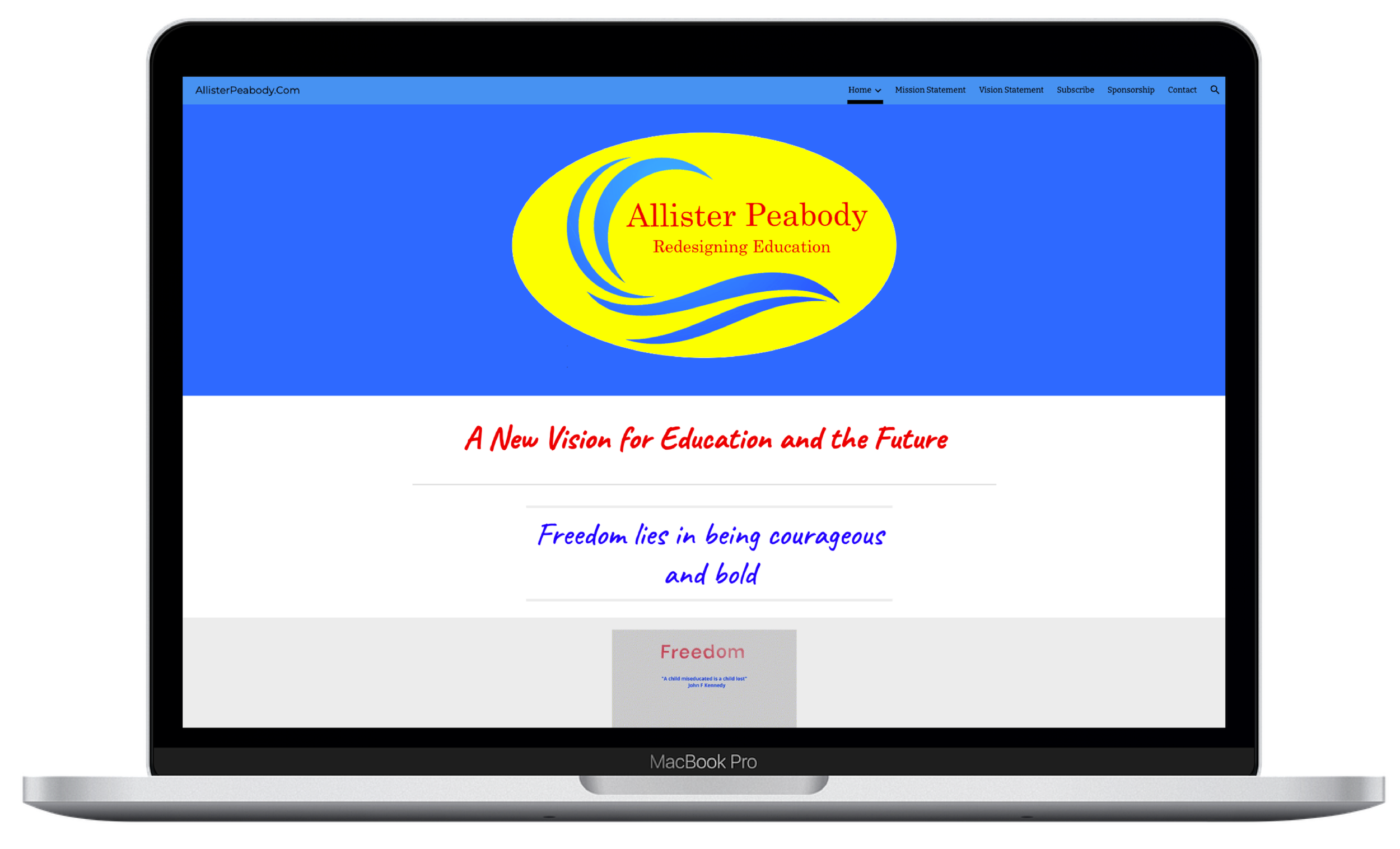
I successfully launched a new, responsive website that prioritized user experience and interaction. To solve the tradeshow challenge, I designed a modular booth system with bold environmental graphics and integrated modern solutions that significantly increased booth dwell time. By creating professional and modern marketing collateral I provided the company with an elevated refresh with updated assets to maintain a premium brand feel.
This project taught me how to think three steps ahead. I learned that a brand system is only as good as its weakest asset, which pushed me to master diverse mediums—from the technicalities of large-format printing to the nuances of video design. I also gained invaluable experience in project management; being a "team of one" required me to be hyper-organized and disciplined with my time, ensuring that the creative integrity of the rebrand was never compromised by tight production deadlines.
The importance of "Future-Proofing" design systems and balancing creative vision with logistical constraints across multiple departments.